


A Tail of Two Ringtails
- back to blogs
By: Raven Jeanne Capozzo
General Manager of SWRR
Wildlife rehabilitation comes with all sorts of interesting, exciting, heartwarming, and sometimes sad cases. We see it all. We wake up each day never knowing what the day will bring us. We just know that some wild animal will need us, and that’s the start.
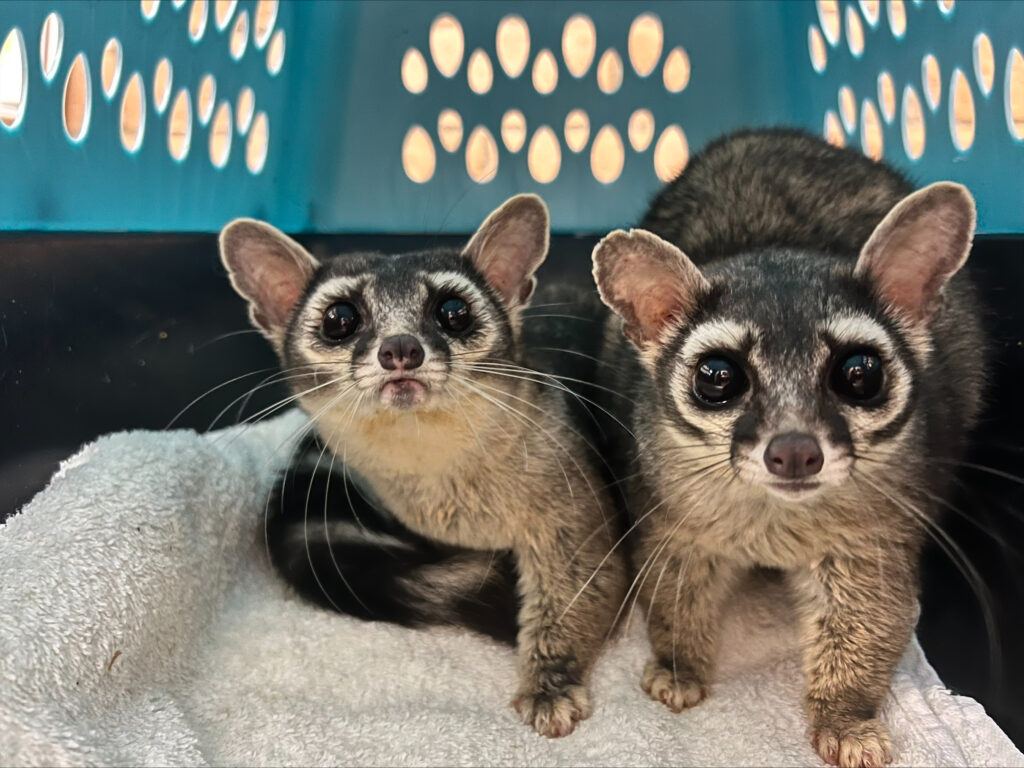
This season we had a unique day when a local Warden from California Department of Fish and Wildlife contacted us about a couple of mammals that were being kept as pets illegally that he needed to confiscate. The animals had originally been kept as pets by an elderly man who had passed away and these animals were then given to a lady to care for them. The lady cooperated fully with the CDFW Warden and the animals were taken into custody without an issue. At this point, they came into our care with our Rabies Vector Team.
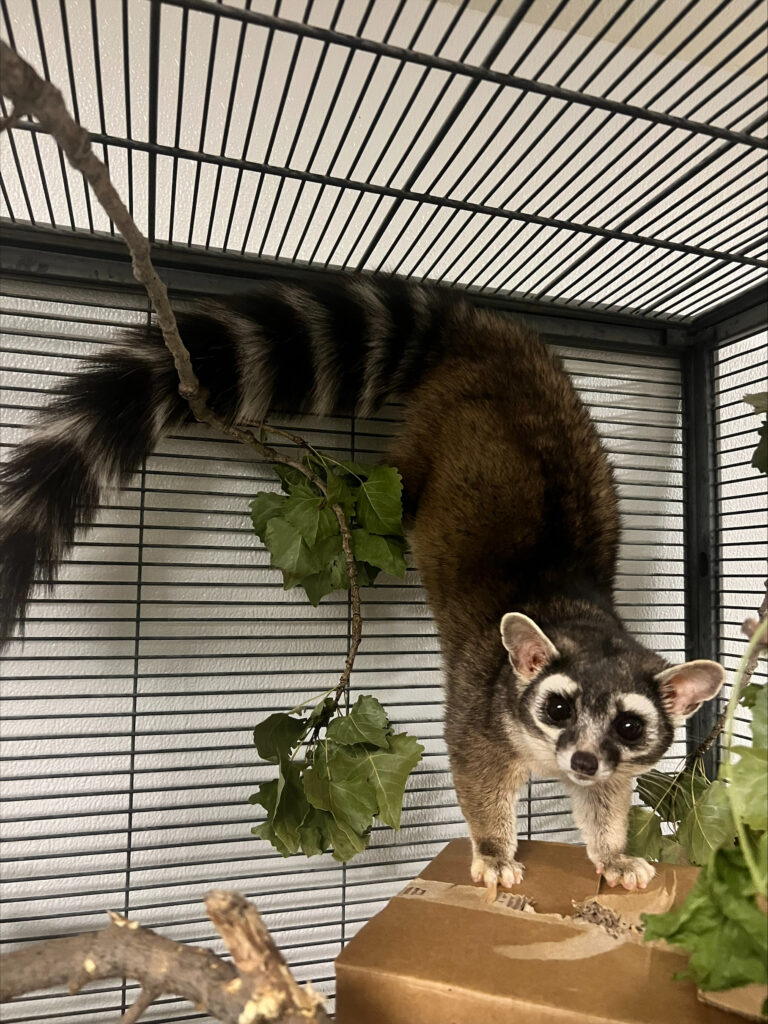
If you have ever heard of a Ringtail, often called a Ringtail cat or Miner’s cat, you know that they are a very aesthetically pleasing animal to look at. These animals however, are not felines. They are from the procyonids family which includes raccoons, coatis, kinkajous, and ringtails. These are animals that are native to the Americas and are typically omnivorous, though their diets vary by species. These animals are often nocturnal, and they live in a variety of habitats, from deserts to tropical rainforests.
Ringtails became known historically as Miner’s cats because they do have some cat-like physical features like pointy ears, a sleek body, and fluffy tails, and they reportedly kept gold miners’ quarters vermin-free. This vaguely cat-like appearance coupled with their famed mouse hunting skills are what earned the multiple names that include cat in them.
In the North State, these elusive animals are rarely seen. They live in the Trinity Alps and other surrounding wilderness. I have personally been fortunate enough to see 3 different wild ones while traveling over 299 West. In the last several years, Shasta Wildlife has only ever received a few ringtails into care.
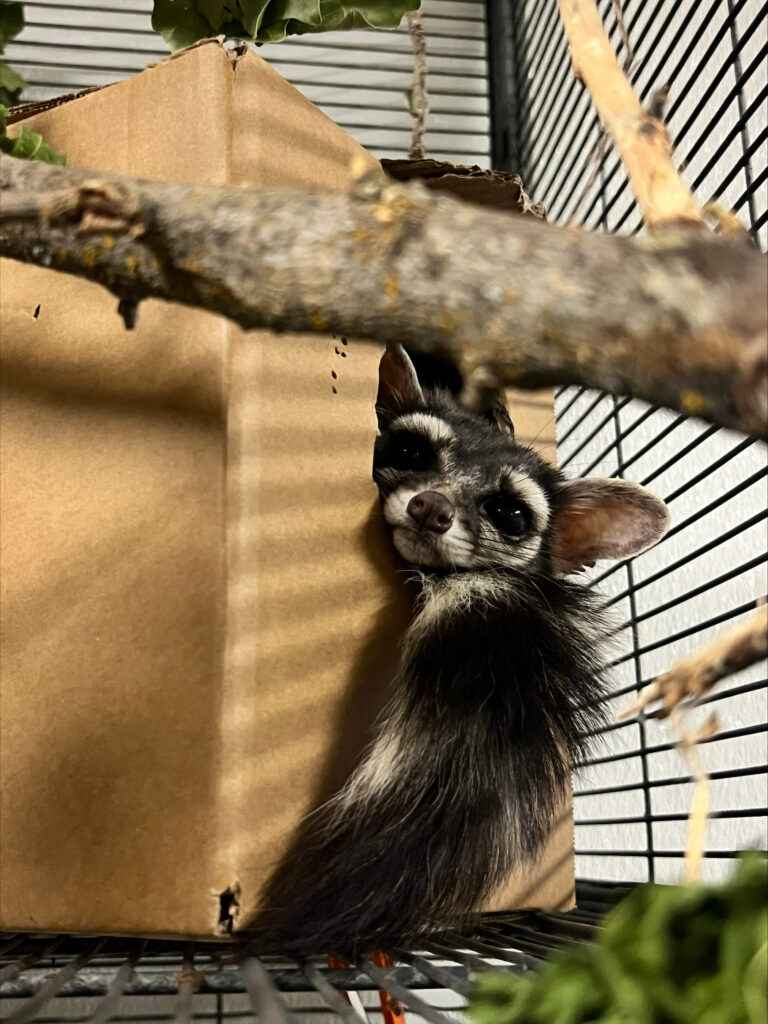
The two that came to us were a male and a female, and we assumed they were siblings given that they seemed to be the same age. They were not really friendly with humans, but they were not very afraid of us either. They had been housed in a cage with rats, and that alone told us that they didn’t have a “prey drive” to hunt. After consulting with the CDFW Wildlife Rehabilitation office, we were instructed to treat them as any other rehab patient, with intent to release into the wild if possible. However, given all of the factors, it was determined that they could not be released into the wild. Instead it was determined that these animals could have a very important role to play for their species. It was decided by CDFW and the AZA that they would be put into a Species Survival Plan Program (SSP).
The Association of Zoos & Aquariums (AZA) website www.aza.org describes this program as follows: The mission of an Association of Zoos and Aquariums (AZA) cooperatively managed Species Survival Plan® (SSP) Program is to manage an ex situ species population with the interest and cooperation of AZA-accredited zoos and aquariums, Accredited Related Facilities (ARFs), and Sustainability Partners. An AZA SSP Program is identified through documented demand and potential sustainability within the AZA community; is selected by Taxon Advisory Groups (TAGs) through the RCP process; and develops a Breeding and Transfer Plan that identifies population goals and recommendations to manage a genetically diverse, demographically varied, and biologically sound population. Success is achieved when SSP animals are able to meet program goals and come from biologically sound populations as a result of a shared commitment to cooperative populations and program management. (Paragraph 1 under Species Survival Plan Programs)
When we were informed that CDFW and AZA determined these two animals were candidates for the program, we were glad to know that they would help the survival of their species.
However, as wildlife rehabbers, it is always our goal to get our patients healthy and back out into the wild. The two primary reasons that goal may not be possible are: injuries too intense to survive a life in the wild, and humans who took them from the wild to make them pets, or who tried to rehabilitate them without training and made the animals habituated to humans at the detriment of the animal. Whenever this happens, it is a sad day.
If you disagree with that statement, I would like you to ask yourself if you would like to be plucked from your own life, either because you were sick or injured, or just because you were cute, and made to stay with a giant who is terrifying to you that hugs you and feeds you the wrong food for your digestion, plays with you like you are a pet, and keeps you as a prisoner, when all you want to do is go back to your life with your family in your own home. For anyone that has ever been to prison, I can assure you that they do not like being captive. For anyone who has ever been kidnapped, I can promise you that all they wanted was to go home. It is the same for our wild neighbors. Humans are predators with forward facing eyes and large teeth. When you find any wild animal that you are able to pick up, something is very wrong with that animal. When people tell us, “Oh it’s so calm and likes me to hold it and pet it,” we want to scream, “That’s because it is in shock and terrified for it’s life! No, it does not love you!”
Most of the time when a wild animal cannot be released into the wild, only two paths lay before it. Either, if it is a suitable candidate, it might be able to become an Education Ambassador Animal to help teach the public about their species, though the criteria for that is very specific and most wildlife does not fall into that category. The other main path is euthanasia.
Now I know many people do not like the second option. Believe me, there isn’t a wildlife rehabber alive who likes that option at all. We do everything we can to get our patients back out into the wild where they belong. We do not see most of the non-releasable animals as good candidates for Education because they would not have a good quality of life in captivity. That is the very sad truth.
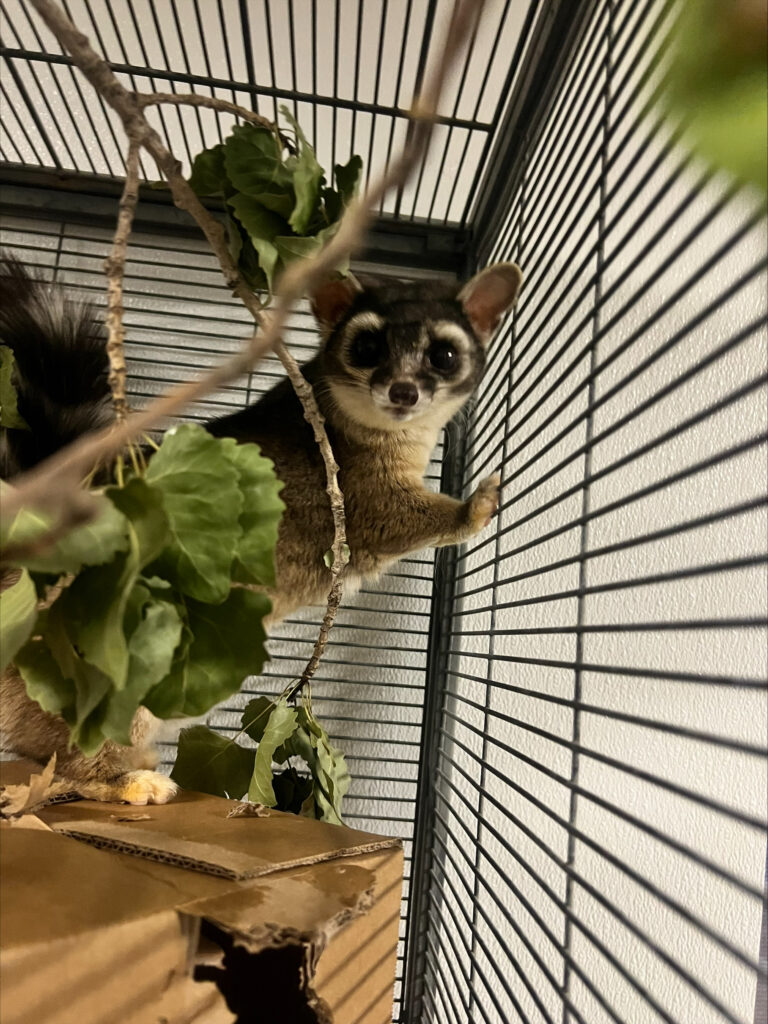
These two ringtails were very used to a life in captivity which is a primary reason why they became candidates for joining an SSP. However, let me ask you this: even though their lives will not be ended and they will help future generations of their species, is this the best option for them if they could tell us what they want? The answer is no. Life in captivity, no matter the circumstances or quality of care is never the best option for wildlife.
The Education Team of Shasta Wildlife travels all around the North State teaching the public about our native wildlife, and the number one thing we desperately try to instill in everyone is that wildlife belongs in the wild and you should never take a wild animal and make it a pet, just as you should never take a pet and release it to the wild.
While the SSP programs are a wonderful thing that have kept many species from extinction on our planet, the best thing for wildlife is and always will be living their lives free and wild. We at Shasta Wildlife implore you to remember this, no matter how cute or majestic an animal may be.
For more information about SSP programs, visit www.aza.org/species-survival-plan-programs.
To help us help wildlife in need, please consider donating to our cause. You can do that on our website: shastawildlife.org, or you can mail us a check to PO Box 1173, Anderson, CA 96007.
If you would be interested in learning more about our Education programs, you can call us at 530-365-WILD(9453) and leave a message requesting information about our Education programs for groups.
Please help us keep wildlife wild as nature intended.